Like Kwara, Edo reduces working days to three over the petrol price hike
The Edo government has announced the reduction of work days from five to three to cushion the effect of the petrol subsidy removal on civil servants.
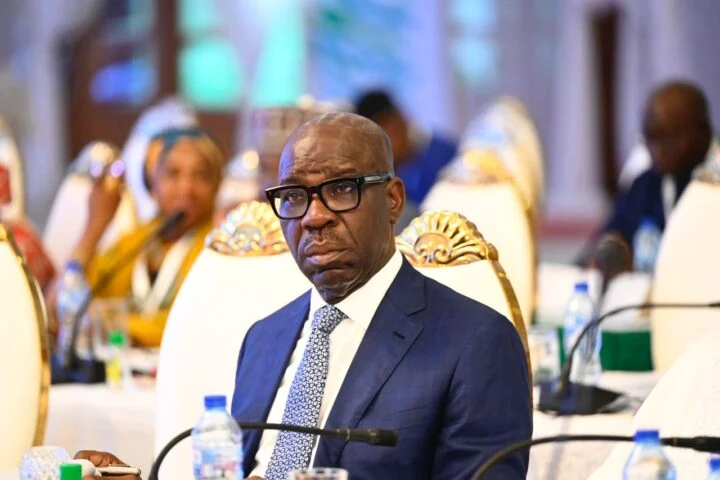
In a statement on Tuesday, Godwin Obaseki, the governor, said his government shared the pains of the people, assuring that his administration will stand with them “in these very challenging times”.
Following fuel subsidy removal, Governor Godwin Obaseki of Edo State has reduced the number of work days for civil and public servants from five days to three days a week.
Governor Abdulrahman Abdulrazaq had given a similar approval on Monday, because of the hike in fuel prices.
In a statement on Tuesday, Obaseki said, “We want to reassure our people that we will do all within our powers as a sub-national government to reduce the pains and ameliorate the sufferings our people are currently facing in the wake of the current realities.
“We know the hardship that has been caused by this policy which has radically increased the cost of transportation, eating deep into the wages of workers in the State. Therefore, the Edo State Government is hereby reducing the number of work days that civil and public servants will have to commute to their workplaces from five days a week to three days a week.
“For teachers and parents, their commuting to school will be reduced as the government is working on deepening the EdoBEST@Home initiative to create more virtual classes, thereby reducing the cost of commuting on parents, teachers and pupils. The Edo SUBEB will provide details on this initiative in the coming days”
“While government intensifies these efforts to alleviate the burden of the fuel price increase on the people during this very challenging period, we want to call on everyone to remain calm and go about their daily businesses lawfully”.
“As a proactive government, we have since taken the step to increase the minimum wage paid to workers in Edo State from the approved N30,000 to N40,000, the highest in the country today.
“We want to assure you that we will continue to pay this amount, while we hope to increase it even further if more allocation accrues to our State from the Federal Government given the expected savings occasioned by the removal of the fuel subsidy.”