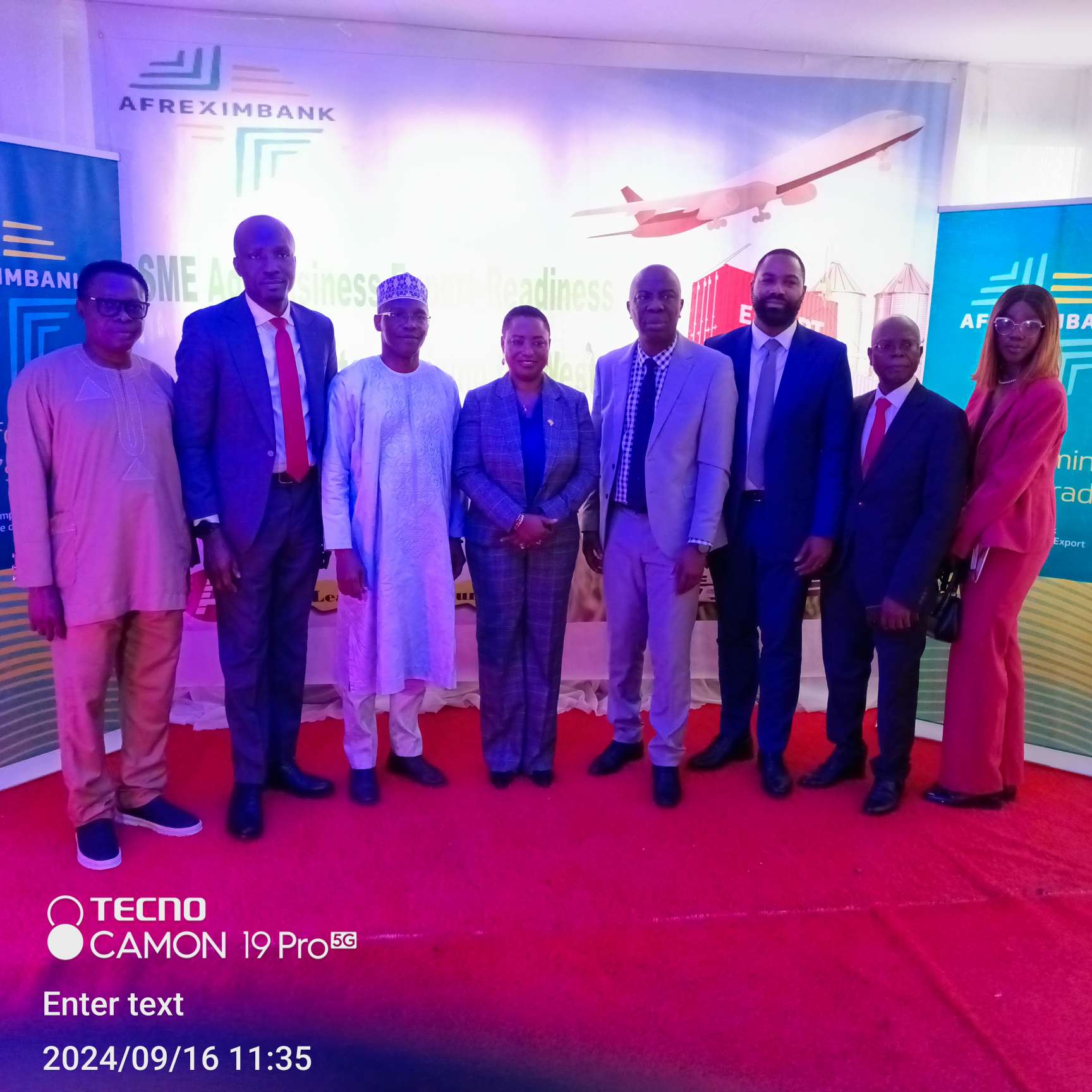
The Africa Leadership Foundation, (ALF), Federation of West African Chambers Of Commerce and Industries (FEWACCI) and the AfreximBank on Monday organised an Hybrid Small, Medium Agribusiness Export readiness training for West Africa entrepreneurs.
The four day training which commenced on Monday according to Africa Leadership Foundation is the second edition which is organised to open more avenues for participants to see the potentials in Agribusiness Export and ways to access funds
Speaking at the opening of the training which was held at the Olusegun Obasanjo Presidential Library, Oke Mosan Abeokuta, the Executive Director, ALF, Dr Olumide Ajayi said the gathering marks a crucial milestone in the commitment to foster sustainable economic growth and empower African businesses.
He harps on the importance of SMEs to drive Africa economy, saying that the training is a catalyst for unlocking the immense potential within Africa’s agribusiness sector.
“At the ALF, we are immensely proud of our ongoing partnership with Afreximbank, together, we are forging a path that not only nurtures the entrepreneurial spirit but also strengthen the economic fabric of our continent. Our collaboration is driven by a shared vision to enhance the capabilities of SMEs across Africa, ensuring they are equipped to seize the abundant opportunities within the intra-African market.
Dr Ajayi said that the selection process for this year training “has been expanded to ensure broader sub-regional representation, enhancing both the diversity and reach of our programme.
‘The 100 participating SMEs represent 13 West African countries, reflecting our commitment to inclusive growth and regional collaboration.
Given the breakdown of participating West Africa countries, he said, “these countries include Benin Republic (9), Burkina Faso (2), Côte d’lvoire (2), Gambia (2), Ghana (6), Guinea (2), Liberia (4), Mali (1), Niger (2), Nigeria (31), Senegal, (15). Sierra Leone (9), and Togo (15).
“Notably, we have achieved gender parity with 52% female and 48% male participants, as well as language parity, with 48% Francophones and 52% Anglophones.
“We received an overwhelming response to this training, with 233 applications from not only the 13 West African countries but also from Cameroon, DRC, and Rwanda. Due to the limited slots for this cohort, several qualified SMEs have been placed on a waiting list. This enormous demand reflects a clear enthusiasm for regional trade and export readiness among African SMEs.
“To meet this demand and ensure broader regional inclusion, we are proposing a 5-year expansion of the export readiness training programme. This extended period will enable us to scale up our efforts and reach a wider audience of SME operators across the region.
“It is for this reason that ALF and the Federation of West African Chambers of Commerce (FEWACCI) will be signing an MoU during this event to extend this training to their members.
Additionally, ALF proud to support the Afreximbank MANSA Digital Initiative (MDI)-Africa’s leading one-stop platform for Know Your Customer (KYC) and due
diligence. The platform offers African SMEs, Corporates, and Financial Institutions opportunities for listing in the repository at no cost, facilitating networking, access to reliable information, market access, and expansion. We are particularly focused on ensuring that the Nigerian trainees are fully onboarded onto the MANSA platform before their departure from Abeokuta.
He opined that “SMEs are crucial to Africa’s economic development, serving as the backbone of many economies by driving job creation, innovation, and wealth generation.
While declaring open the training, the Managing Director, Export Development Division of AFREXIM Bank, Mrs Oluranti Doherty, who highlighted the essence of the training in exposing participants to opportunities in the export market, expressed the commitment of the bank to resolve some of tbe challenges being faced by the SME operators,to expand their businesses.
Specifically, Mrs Doherty promised that the bank would link SME operators with intermediate financial institutions towards getting required financial assistance for their businesses.