Don calls for incorporation of traditional healers into Nigeria’s healthcare system
As Nigeria battles for ways to fight mental health related issues, a Babcock University Don, Prof. Titilayo Oyenihun Aderibigbe has advocated for an holistic approach to mental health healing through the incorporation of traditional healthcare healers.
She said the incorporation of traditional health healers into the psychiatric system of curing the mentally ill in the country will assist in curbing the menace as the traditional healers can give deeper understanding of mental health issues and cure.
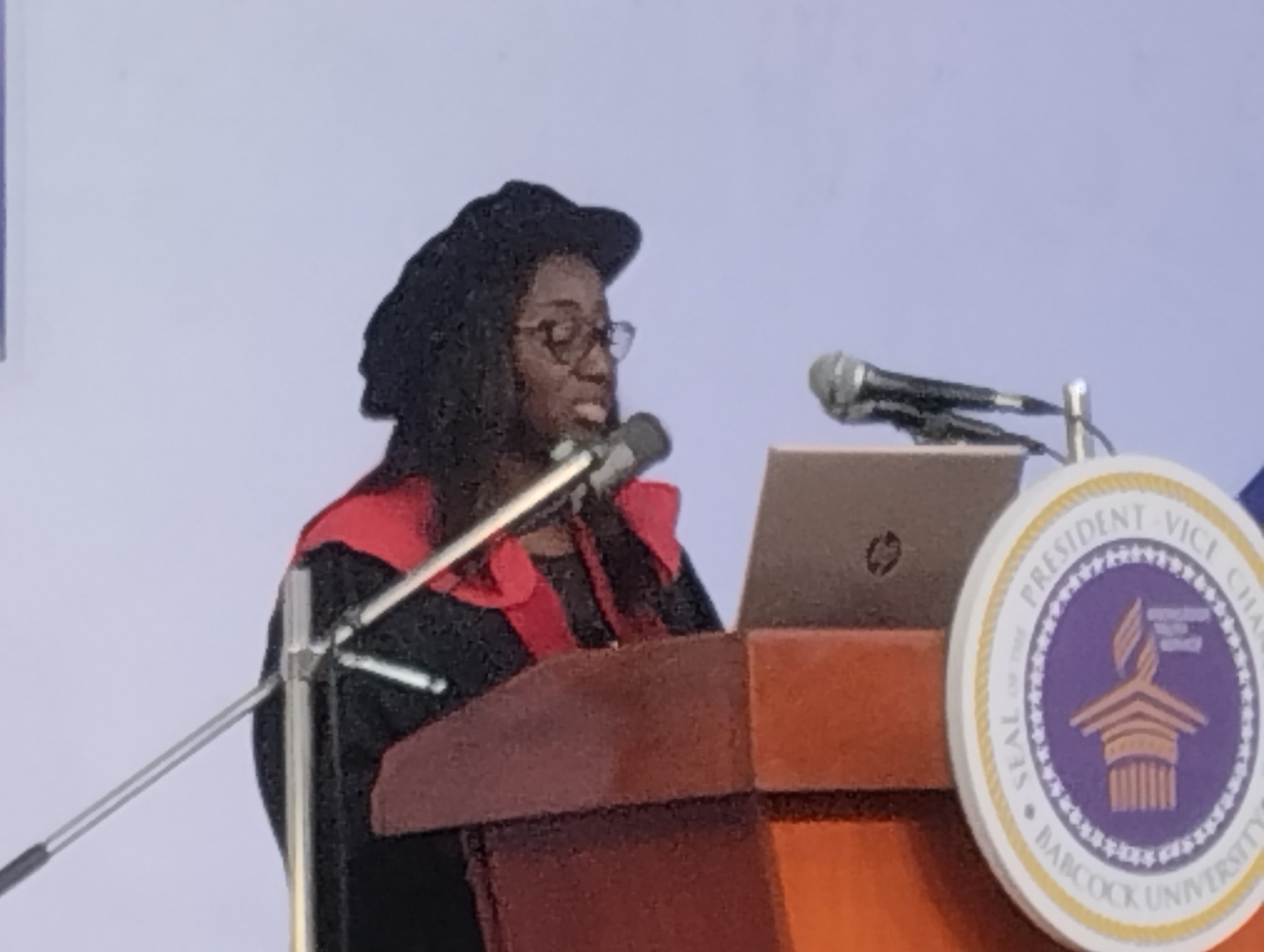
Aderibigbe, a Professor of Medical Law, at Babcock University, Ilishan-Remo, Ogun State, made the call while delivering the 46th Inaugural Lecture of the University, titled “Law’s Engagement with Human Body: Searching through the Prism of Law to Shape the Future”.
She said there is a need by Nigerian government to incorporate traditional healers into the nation’s healthcare system through a rigorous vetting and genuine intention to expand and improve the nation’s healthcare through the amendment of the Mental Health Act 2023.
While advocating that the National Assembly should consult the Ivory towers when legislative amendments are proposed before passing them, the Professor of Medical Law said there is a need to restructure Nigeria’s Constitution for it to meaningfully impact all Nigerians in a true federalism along the lines of the 1960 and 1963 Constitutions.
While commending the Nigerian government for passing the Mental Health Act 2023, which seeks to protect people with mental health illnesses from all forms of abuse, violence and torture, she noted that the law also empowers and advocates for their right to access social services such as healthcare, education, employment and housing.
She opined that traditional mental health healers offer about 80% of healthcare in Nigeria, stressing that they provide therapy that is in tandem with the cultural belief system, which can be integrated and researched.
“I am advocating a holistic approach to mental health healing through the incorporation of traditional healthcare healers into our psychiatric system of curing the mentally ill which can only give deeper understanding of mental health issues and cure”.
While expressing her displeasure for placing insanity along with epilepsy in the Matrimonial Causes Act, Aderibigbe advocated that sections 5(1)(b) and 15(2)(e) should be amended by deleting ‘epilepsy’ as a requirement for possible voiding of a marriage.
Speaking on Law’s engagement with the adolescent body, Aderibigbe advocated for a more practical way to protect the adolescent victims of sexual abuse, through training of the officers who prosecute these matters in court; and the awareness that the adolescent victims should not be the ones stigmatized.
“Majority of rape cases go undetected especially since the rape is often with an older member of the child’s family. While Nigeria’s Child Rights Act seek to protect the vulnerable child victims, states in Nigeria need to establish an office where members of the public
can anonymously report rape cases”.
She added, “Nigerian legislators have failed the girl child since the establishment of Nigeria’s Constitution in 1999. Section 29(4)(b) of the Nigerian Constitution still has the provision that any woman who is married shall be deemed to be of full age”. Nigeria’s Criminal Code by section 357 and Penal Code by section 282 states that a man cannot be charged with marital rape once the marriage is subsisting and the wife has attained puberty, sexual intercourse cannot amount to rape. Many girls
attain puberty between the ages of 10-14 years on the average. A married girl-child becomes a victim through the abject failure of the law to protect her constitutionally.
“There is a need to encourage states that have not adopted the CRC to do so. More importantly, there should be a constitutional amendment to section 29(4)(b),Until this section 29(4)(b) of Nigeria’s Constitution and not until this section is amended, rape will continue to be justified on religious and cultural grounds. Government and State actors need to dialogue with legislators to move with the times and amend this section forthwith for any meaningful and justiciable protection of female children through rape.
Speaking on sexual morality among young men and women in the society, Aderibigbe noted that modernization and social media interactive have dissolved the sacred bounds male and female sexual awareness that existed traditionally, pointing out that this led to several types of sexual transmitted diseases, HIV/AIDS, sexual violence among premarital men and women.
With the weakening of traditional and religious value restrictions on sexual activities among young adults, educational institutions need to provide programme that do not focus on sexualization of young men and women’s bodies, but on healthy interactions through learning new skills and healthy engagement of the growing adolescent intellect.
Extant laws in the workplaces and Labour laws must take cognisance of the needs of the reproducing women in workplace through adequate maternity needs care of children and non-discrimination on account of the unique reproductive needs of child-bearing women.